
close
Choose Your Site
Global
Social Media
Views: 0 Author: Site Editor Publish Time: 2026-01-15 Origin: Site
What happens when a PCB fails before components are even added? Bare Board Testing (BBT) plays a crucial role in ensuring the reliability of PCBs in the fabrication process. In this article, you’ll learn why BBT is essential for detecting defects early. We’ll explore how BBT ensures high-quality, functional PCBs that meet industry standards.
Bare Board Testing (BBT) is a process that tests a PCB’s electrical and mechanical integrity before components are placed. During this stage, the board is “bare,” meaning it does not have any components or soldering attached.
The primary objective of BBT is to identify potential issues, such as:
● Short circuits
● Open circuits
● Incorrectly placed vias
● Structural defects (e.g., cracked traces)
Bare Board Testing is usually performed through a combination of visual inspections and electrical tests, ensuring that the PCB meets functional and design specifications.
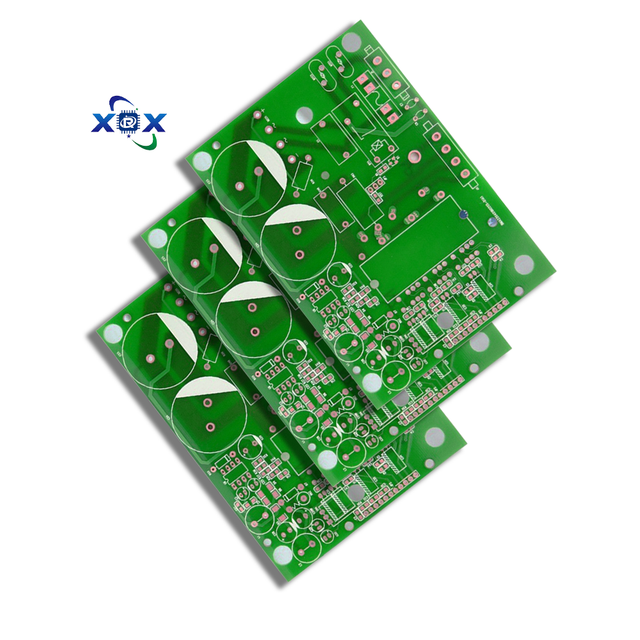
BBT is vital because it helps detect faults that can lead to device malfunctions in the future. Since the integrity of the PCB determines the functionality of the final product, ensuring that the board functions as intended is critical. By identifying and correcting issues during the BBT stage, manufacturers can avoid costly rework and ensure the reliability of the final product.
Here are a few reasons why BBT is essential:
● Early Fault Detection: Prevents defects from reaching later stages of assembly.
● Cost Efficiency: Identifies errors before component placement, reducing the cost of repairs.
● Quality Control: Ensures the PCB meets quality and safety standards before moving to the next stage.
Electrical testing is one of the most common and essential forms of Bare Board Testing. It verifies the integrity of the electrical pathways on the PCB, ensuring there are no open or short circuits. Electrical tests include:
● Continuity Testing: Ensures that the electrical paths on the PCB are complete and intact.
● Short Circuit Testing: Detects unintended connections between traces that could cause electrical failure.
Table: Electrical Testing Types
Test Type | Purpose | Benefits |
Continuity Testing | Verifies that electrical paths are continuous | Identifies open circuits |
Short Circuit Test | Detects any unintended connections or shorts | Prevents circuit malfunctions |
Visual inspection is a fundamental part of Bare Board Testing. Technicians manually inspect the PCB for visible defects such as:
● Solder Bridges: Areas where solder has connected two or more traces unintentionally.
● Misprints: Incorrect printing of the circuit layout.
● Cracked Traces: Traces that have been damaged or weakened during manufacturing.
Though visual inspections can be done manually, automated visual inspection (AVI) systems are also increasingly used to detect common issues with high accuracy.
Automated Optical Inspection (AOI) is a highly efficient method of Bare Board Testing. AOI uses cameras and optical sensors to inspect the PCB for defects automatically. AOI systems can detect even the smallest issues that may be difficult for the human eye to spot, such as:
● Minor scratches
● Misalignment of layers
● Fine pitch soldering defects
Tip: AOI systems enhance the speed and accuracy of Bare Board Testing, reducing human error and improving overall efficiency.
One of the key benefits of Bare Board Testing is its ability to detect issues early in the manufacturing process. Identifying and resolving defects before components are placed on the board helps prevent costly fixes later. Early detection also means fewer delays in production and fewer defective products reaching the end user.
By identifying defects early, BBT improves the reliability of the final product. Without proper testing, a PCB may fail during the later stages of production, potentially damaging the components and requiring rework. With BBT, manufacturers can ensure that the PCB is reliable and that the final product performs as expected.
Table: Benefits of Bare Board Testing
Benefit | Impact |
Early Detection of Defects | Prevents costly repairs and delays |
Enhanced Reliability | Ensures that the PCB functions as intended |
Cost Efficiency | Reduces production costs by preventing rework |
In the PCB fabrication industry, adherence to international standards such as IPC-2221 and IPC-6012 is crucial. Bare Board Testing ensures that the PCB meets these standards, guaranteeing that the product is suitable for use in various industries, from consumer electronics to aerospace and medical devices. Compliance with these standards also ensures safety and reliability, particularly in critical applications.
The success of Bare Board Testing heavily relies on the equipment and technology used. To perform effective BBT, manufacturers must invest in the latest testing tools, such as high-resolution AOI machines and reliable electrical testing systems.
Key considerations when selecting testing equipment:
● Accuracy: The equipment must be able to detect even the smallest defects.
● Speed: Testing should be done quickly to avoid delays in production.
● Automation: Automated systems help reduce human error and improve consistency.
The success of BBT also depends on the skills of the technicians conducting the tests. Trained professionals are required to interpret results accurately and adjust testing parameters when necessary. Proper training ensures that BBT is carried out with the highest degree of precision and efficiency.
Tip: Proper training and certification programs for BBT technicians are essential to maintain high standards of testing and to meet industry requirements.
At Dongguan Xinrongxing Technology Co., Ltd., we place great importance on Bare Board Testing (BBT) as a crucial step in the PCB fabrication process. To ensure that every PCB we produce meets the highest industry standards, we employ a combination of manual and automated testing methods, leveraging the latest technology and equipment.
Our technicians perform comprehensive visual inspections on each PCB, looking for visible defects such as misprints, cracked traces, or any other physical damage that could affect functionality. This process is enhanced by Automated Optical Inspection (AOI) systems, which offer a faster, more accurate way to identify small imperfections that could be missed in a manual inspection. These inspections help us detect issues like solder bridges and misaligned vias that could lead to malfunctioning components later.
Electrical testing is a key component of our BBT process. We carry out both continuity tests to ensure that all electrical paths are complete and short circuit tests to confirm that there are no unintended connections between traces. This testing ensures that the PCB is free from electrical issues that could cause failures in the final product.
We use advanced AOI systems to automatically inspect PCBs for defects in the manufacturing process. AOI is particularly valuable for detecting even the smallest issues, such as misalignment of layers, fine-pitch soldering defects, or minor scratches that may affect the integrity of the PCB. This technology helps us streamline the inspection process, ensuring accuracy while reducing the risk of human error.
By integrating these advanced testing methods, Dongguan Xinrongxing Technology Co., Ltd. ensures the production of high-quality, reliable PCBs. Our Bare Board Testing process helps us detect defects early, preventing costly rework and ensuring that our customers receive finished products that meet their functional and quality expectations.
We are committed to delivering PCBs that comply with international standards, offering our clients confidence in the products they use and depend on.
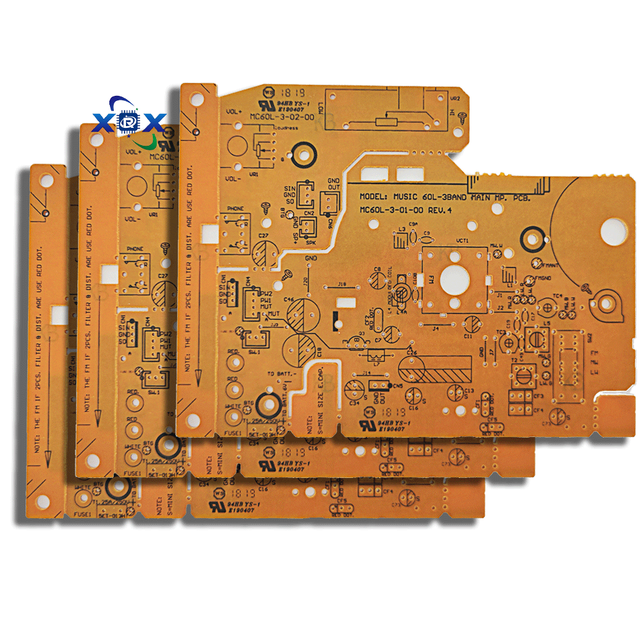
Bare Board Testing is a critical step in PCB fabrication, helping detect defects early in the process. At Dongguan Xinrongxing Technology Co., Ltd., we integrate advanced BBT methods to ensure the highest quality. Our commitment to reliability and precision helps deliver top-performing PCBs for various industries, enhancing product quality and reducing production costs.
A: Bare Board Testing (BBT) is the process of checking a PCB for electrical integrity before components are added. It ensures the board is free from defects like shorts and open circuits.
A: BBT helps detect manufacturing defects early, reducing costs and ensuring the PCB meets functional and quality standards before assembly.
A: Electrical testing and visual inspection are commonly used in BBT to identify issues like short circuits, open circuits, and soldering defects.
A: BBT ensures that the PCB’s electrical pathways and physical structure are correct, enhancing its reliability in the final product.
A: The cost of BBT varies depending on the complexity of the PCB, but it is a crucial investment to avoid higher costs from later defects or repairs.


