
close
Choose Your Site
Global
Social Media
Views: 0 Author: Site Editor Publish Time: 2026-01-15 Origin: Site
Have you ever wondered what makes aerospace systems reliable in extreme environments? In the aerospace industry, every component must perform flawlessly under intense conditions. PCBs (Printed Circuit Boards) are the backbone of these systems, ensuring everything from navigation to communication works smoothly.
In this article, we will explore the vital role of high-reliability PCBs in aerospace. We’ll discuss the materials, testing, and design features that make them essential for mission-critical applications. By the end, you’ll understand how these PCBs ensure safety and performance in aerospace systems.
Aerospace systems face extreme environmental challenges, including fluctuating temperatures, high radiation levels, and significant mechanical stress. High-reliability PCBs ensure that the electronics within these systems remain functional, even under the harshest conditions. Without them, critical components such as avionics, communication systems, and navigation tools would fail.
● Essential Components: Avionics, navigation systems, and communication tools rely heavily on PCBs.
● Consequences of Failure: A PCB failure could lead to catastrophic outcomes in aerospace systems.
The aerospace industry demands a level of resilience that standard PCBs cannot provide. High-reliability aerospace PCBs are designed to withstand:
Environmental Factor | Challenge for Aerospace PCBs | Solution Provided by High-Reliability PCBs |
Temperature Fluctuations | Extreme heat and cold conditions | High-temperature laminates and ceramic substrates |
Radiation | Exposure to ionizing radiation in space | Use of radiation-hardened materials |
Vibration and Shock | Mechanical stress from takeoff and landing | Vibration-resistant designs and materials |
Tip: When selecting a PCB for aerospace applications, always prioritize materials and designs that offer superior resistance to environmental stressors.
High-reliability PCBs are integral to the safe operation of aerospace systems. They are responsible for managing electrical signals and ensuring that all systems work harmoniously. A failure in a PCB can result in catastrophic outcomes, from system malfunctions to mission failure. For example, in space, where repair is not an option, the reliability of every component is crucial for the success of the mission.
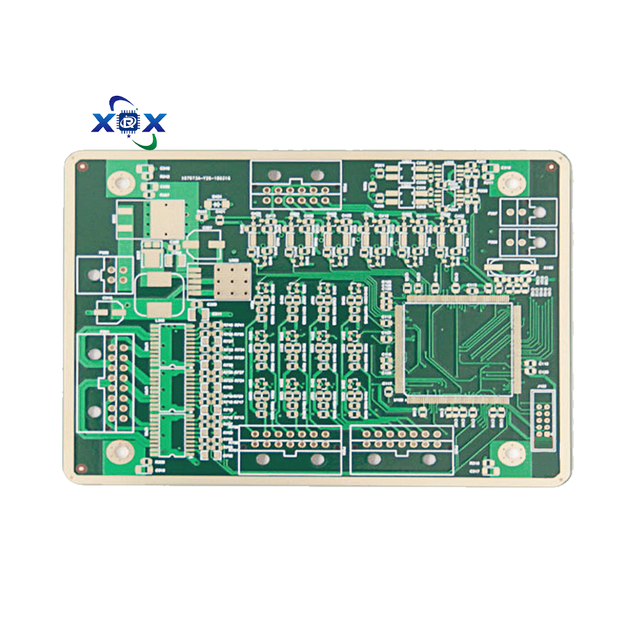
Aerospace PCBs are made from high-performance materials capable of withstanding extreme conditions. Common materials include:
Material | Benefits | Applications |
High-temperature laminates | Durable, resistant to thermal degradation | Avionics, satellites |
Ceramic substrates | Excellent electrical insulation and thermal conductivity | High-frequency applications |
Copper-clad laminates | Superior electrical conductivity, structural integrity | Communication systems, radar systems |
By carefully choosing these materials, manufacturers ensure that the PCB can endure the extreme conditions found in aerospace applications.
The process of creating high-reliability aerospace PCBs involves precision engineering and a strict quality control process:
● Layer Construction: Multiple layers of circuitry are used to optimize performance while maintaining a compact design.
● Surface Treatment: Coatings and finishes are applied to enhance durability, corrosion resistance, and conductivity.
● Inspection: Comprehensive testing ensures that the PCBs meet the rigorous standards set by the aerospace industry.
Step | Purpose | Impact on Reliability |
Layer Construction | Multiple layers of circuitry for compact design | Optimizes performance while reducing size |
Surface Treatment | Coatings and finishes for durability and conductivity | Enhances PCB longevity and reliability |
Inspection | Comprehensive testing for quality assurance | Ensures compliance with aerospace standards |
High-reliability aerospace PCBs must incorporate several key design features:
● Redundancy: Critical circuits may be duplicated to ensure the system remains operational if one part fails.
● Fault Tolerance: Components are designed to handle errors without compromising the entire system.
● Miniaturization: Space constraints in aerospace systems require that PCBs be compact yet highly functional.
Single-sided PCBs are used in simpler aerospace systems where the complexity of the circuit is minimal. These boards are efficient, cost-effective, and ideal for applications such as small control systems or devices with fewer components.
Double-sided PCBs have conductive pathways on both sides, allowing for more complex circuit designs. They are commonly used in applications requiring higher functionality but still within the constraints of space. These are particularly suitable for avionics and communication systems.
Multilayer PCBs consist of multiple layers of conductive material stacked on top of each other. These boards are essential for advanced aerospace systems, such as satellite electronics, that require complex circuitry and high-speed data transmission. Multilayer PCBs enable miniaturization and efficient use of space while ensuring reliability.
Type of PCB | Applications | Benefits |
Single-Sided | Simple control systems | Cost-effective, easy to manufacture |
Double-Sided | Avionics, Communication systems | More complex design, better performance |
Multilayer | Satellite electronics, Spacecraft | High-speed data, advanced functionality |
To ensure aerospace PCBs meet the highest standards, they must adhere to strict certification guidelines. Industry standards such as MIL-PRF-31032 and IPC-6012 specify the design, testing, and performance characteristics required for aerospace applications.
High-reliability aerospace PCBs undergo a series of tests to validate their performance, including:
● Vibration Testing: Simulates mechanical stress experienced during flight.
● Thermal Cycling: Ensures the PCB can withstand temperature fluctuations.
● Electrical Testing: Verifies the integrity of the circuits and their ability to function under load.
Testing Method | Purpose | Benefit for Aerospace PCBs |
Vibration Testing | Simulates mechanical stress experienced during flight | Ensures resilience under dynamic conditions |
Thermal Cycling | Ensures the PCB can withstand temperature fluctuations | Verifies performance in extreme environments |
Electrical Testing | Verifies circuit integrity and performance under load | Ensures reliable signal transmission and operation |
Certification is crucial for ensuring that aerospace PCBs are safe and reliable. Certified PCBs have passed rigorous testing and are guaranteed to meet the demanding standards of the aerospace industry.
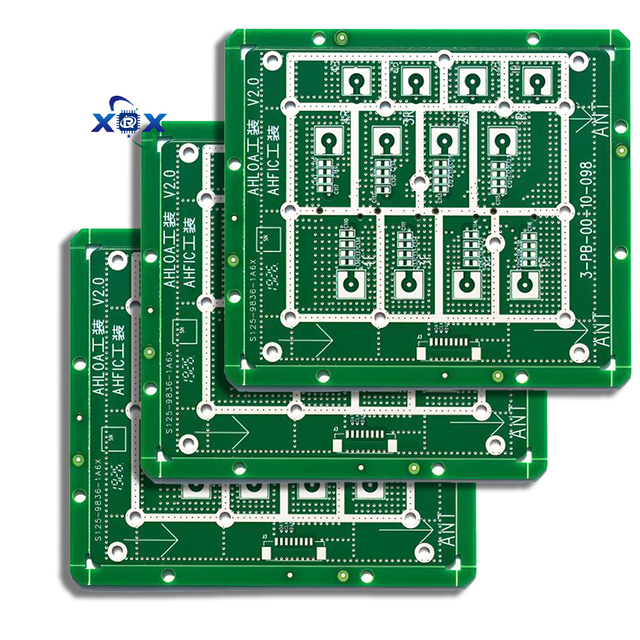
Aerospace PCBs must be designed to withstand a wide range of environmental factors, including extreme temperatures, radiation, and vibration. To optimize reliability, manufacturers must select materials and designs that can perform in these harsh conditions without failure.
The longevity of aerospace PCBs is essential, especially for space missions that can last for years or even decades. By using high-quality materials and incorporating redundancy and fault tolerance, manufacturers can ensure that PCBs remain functional throughout their entire lifecycle.
While high-reliability aerospace PCBs are costly to produce, it is essential to balance quality with cost-efficiency. Innovations in manufacturing processes, such as automated production lines and advanced materials, can help reduce costs without sacrificing reliability.
● New materials like high-performance composites and flexible substrates are being developed.
● These materials will improve the performance and reliability of aerospace PCBs.
● The goal is to enhance the PCB's ability to withstand extreme conditions while also reducing weight and size.
As aerospace systems become more compact and efficient, there will be a growing need for smaller PCBs. Miniaturization in aerospace applications requires innovative designs that maintain high reliability while minimizing size. This trend is driving the development of more compact, high-performance PCBs that continue to meet the industry’s rigorous standards.
Emerging technologies like 3D printing and automated testing are transforming aerospace PCB manufacturing. These advancements streamline production processes, improve quality control, and reduce costs, making high-reliability PCBs more accessible to aerospace industries globally.
In this guide, we’ve covered the importance of high-reliability PCBs in aerospace. Dongguan Xinrongxing Technology Co., Ltd. provides advanced aerospace PCBs designed to perform in extreme conditions. Their products offer unparalleled reliability, making them the perfect choice for aerospace applications. With superior material selection, precise manufacturing, and extensive testing, Dongguan Xinrongxing Technology Co., Ltd. ensures that every PCB meets the rigorous demands of the aerospace industry.
A: An Aerospace PCB is a specialized printed circuit board designed to perform reliably in aerospace applications, enduring extreme environmental conditions like radiation, temperature fluctuations, and vibration.
A: High-reliability Aerospace PCBs ensure that aerospace systems, such as communication and navigation, function safely and effectively under harsh conditions, reducing the risk of failure.
A: Aerospace PCBs undergo rigorous testing, including vibration, thermal cycling, and electrical tests, to ensure they can withstand the demanding conditions of aerospace environments.
A: Aerospace PCBs are made from high-performance materials such as high-temperature laminates, copper-clad laminates, and ceramic substrates, which provide durability and electrical efficiency.
A: Choosing the right Aerospace PCB depends on factors like material requirements, performance standards, and environmental conditions, all of which should align with the specific needs of the aerospace system.


