
close
Choose Your Site
Global
Social Media
Views: 0 Author: Site Editor Publish Time: 2026-03-18 Origin: Site
Ever struggled finding the right PCB Fabrication Manufacturer? Choosing wisely affects quality, cost, and timelines. In this article, you’ll learn how to evaluate manufacturers and select one that fits your project needs perfectly.
PCB fabrication is the process of transforming a design into a functional bare board. It’s different from PCB assembly, which focuses on placing components. Fabrication ensures accuracy, electrical performance, and reliability. The key steps include design translation, etching, drilling, plating, and finishing.
During design translation, Gerber files are converted into production-ready patterns. Etching removes excess copper to define the circuit. Drilling creates holes for vias and through-hole components, and plating ensures connectivity. Finally, finishing applies protective coatings like HASL, ENIG, or OSP to enhance solderability and prevent corrosion.
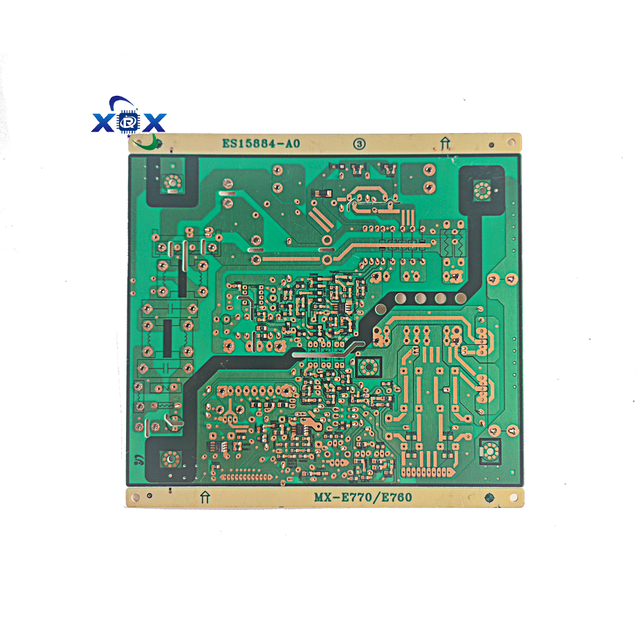
PCB Fabrication Manufacturers produce boards for different needs. Some of the most common types are:
● Single-sided boards – Cost-effective and simple, used in basic consumer electronics and small appliances.
● Double-sided boards – Copper on both sides with plated-through holes, suitable for automotive or industrial control systems.
● Multilayer boards – 4–20 layers with HDI and controlled impedance, used in medical devices, aerospace, and high-speed communication.
● Flexible boards – Thin, bendable, and suitable for wearable electronics or compact devices.
● Aluminum substrate boards – High thermal conductivity, ideal for LED lighting and high-power electronics.
PCB Type | Key Features | Applications |
Single-sided | Copper on one side | Remote controls, small appliances |
Double-sided | Copper both sides, plated-through holes | Automotive, industrial circuits |
Multilayer | 4–20 layers, HDI support | Aerospace, telecommunications |
Flexible | Bendable, compact | Wearables, drones |
Aluminum | Heat dissipation | LED modules, power devices |
Experience matters when choosing a PCB Fabrication Manufacturer. Companies that have been in business for a decade or more often have refined processes and established quality control. They understand industry-specific challenges—automotive boards need durability and thermal stability, medical PCBs require traceability and compliance, and consumer electronics focus on cost-efficiency and rapid prototyping.
● Look for manufacturers with a proven track record in your sector.
● Ask about past projects and client references.
● Check if they handle both prototypes and large-scale production.
Certifications show reliability. A credible PCB Fabrication Manufacturer follows international standards:
Certification | Purpose | Relevance |
ISO 9001 | Quality management | Ensures consistent processes and product quality |
IPC Standards | PCB acceptability | Guarantees board reliability and traceability |
UL Certification | Safety compliance | Required for electronics entering regulated markets |
RoHS Compliance | Environmental | Reduces hazardous materials in products |
These certifications help you trust that the manufacturer can consistently deliver high-quality PCBs. It also indicates readiness for global exports and complex industry requirements.
Technical capabilities directly impact what boards a manufacturer can produce. Important features include:
● Multilayer boards up to 20 layers or more for complex circuits.
● HDI and rigid-flex support for compact and high-density electronics.
● Controlled impedance and microvias for high-speed applications.
● Fine-pitch component compatibility for precision assembly.
Modern equipment like automated drilling, plating lines, and AOI machines ensures the manufacturer can meet these requirements. Xinrongxing, for instance, invests in advanced machinery, allowing them to handle multilayer, LED, and flexible PCBs efficiently.
Flexibility is key for clients developing new products. Look for a PCB Fabrication Manufacturer that supports:
● Low-volume prototypes to test designs quickly.
● OEM/ODM services for customized solutions.
● Quick-turn production to shorten development cycles.
Choosing a PCB Fabrication Manufacturer that offers both fabrication and assembly simplifies the supply chain. Turnkey services combine board production, component sourcing, and assembly under one roof. This reduces communication errors and accelerates project timelines. Many manufacturers support SMT (Surface Mount Technology), through-hole assembly, and functional testing, ensuring boards arrive ready for integration.
Key Benefits of Turnkey Integration:
● Single point of responsibility reduces errors.
● Faster prototype-to-production transition.
● Streamlined testing and quality assurance.
Proactive technical support makes a huge difference. A good PCB Fabrication Manufacturer provides guidance during design review, helps troubleshoot issues, and offers after-sales support. Regular communication ensures engineers address potential problems early, avoiding costly delays. They also assist with material selection, thermal management, and design-for-manufacturing suggestions.
● Helps teams optimize layouts and reduce rework.
● Provides clear instructions for assembly and testing.
● Enables faster iteration cycles and better product outcomes.
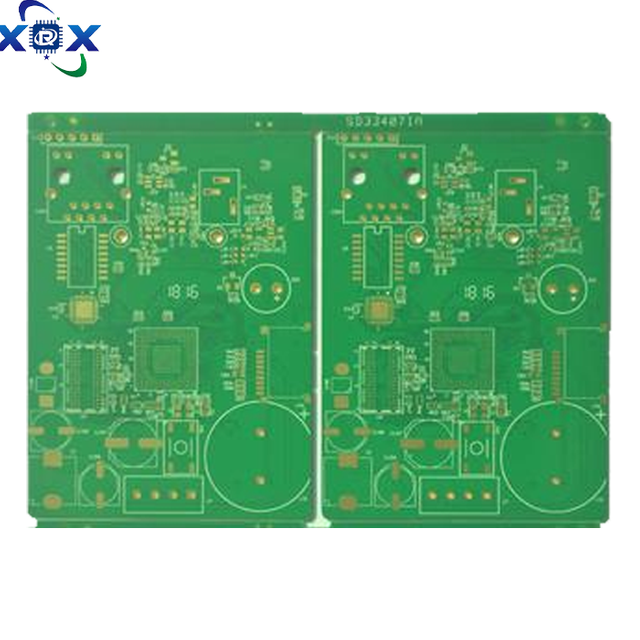
Reliable delivery times and the ability to scale production are critical. Evaluate manufacturers by how quickly they can deliver prototypes versus full production runs. A capable PCB Fabrication Manufacturer maintains high reliability even when production scales up. This includes consistent quality control, minimal defects, and predictable schedules.
For international projects, exporting boards reliably is essential. A PCB Fabrication Manufacturer should manage customs, shipping, and compliance with international standards. Efficient logistics reduce delays and help maintain production schedules.
Companies like Xinrongxing have established global distribution channels, exporting to markets including the USA, Germany, India, and Vietnam.
Service Aspect | Key Considerations | Benefits |
Export Capability | Handling customs and regulations | Smooth delivery to international clients |
Shipping Reliability | On-time logistics | Reduces project delays |
Compliance Support | Meets local and international standards | Avoids regulatory issues |
Tracking & Documentation | Real-time updates, certificates | Ensures transparency and traceability |
Choosing between domestic and overseas PCB Fabrication Manufacturers requires careful evaluation.
Domestic suppliers often provide faster communication and easier access for quality checks. Shipping times are shorter, and regulatory compliance is easier to manage for sensitive industries like aerospace or defense.
Overseas suppliers, especially in China or Southeast Asia, usually offer lower costs and larger production capacity.
Considerations for Selection:
● Communication: Time zones, language, and responsiveness impact project coordination.
● Quality Control: Local audits versus remote inspections affect defect rates.
● Cost vs. Benefit: Lower overseas prices may save money but involve higher shipping and customs complexity.
Factor | Domestic Manufacturer | Overseas Manufacturer |
Lead Time | Short, fast prototyping | Longer shipping, potential delays |
Cost | Higher unit price | Competitive, lower production costs |
Quality Oversight | Easy onsite monitoring | Requires remote tracking or third-party inspection |
Regulatory Compliance | Simplified | Must ensure international standards are met |
Understanding a manufacturer’s pricing structure is essential. Hidden setup fees, extra charges for testing, or material upgrades can increase total costs. A transparent PCB Fabrication Manufacturer provides a detailed quotation with line items for prototyping, materials, assembly, and shipping. Comparing beyond just price helps identify which supplier offers the best value rather than the cheapest option.
Checklist for Cost Evaluation:
● Breakdown of prototype and volume pricing.
● Clear explanation of optional services and materials.
● Assessment of long-term cost implications for scaling production.
● Consideration of support, quality, and delivery reliability as part of the overall value.
Many buyers make predictable errors during selection. Focusing only on cost often sacrifices quality, reliability, or lead time. Ignoring certifications or technical capabilities may lead to boards that fail testing or do not meet industry standards. Overlooking prototype support or the ability to scale production can create delays when a product moves from R&D to mass manufacturing.
Tips to Avoid Mistakes:
● Evaluate manufacturers based on certifications, experience, and technical capability.
● Confirm they provide prototype services and low-volume options.
● Review their ability to support long-term partnerships and scalable production.
● Use real-world case studies or references to verify performance and reliability.
Choosing a PCB Fabrication Manufacturer involves evaluating experience, certifications, technical capability, prototyping, and global support. Xinrongxing offers diverse PCB types, turnkey services, and reliable quality, helping clients develop prototypes, scale production, and ensure performance across industries.
A: A PCB Fabrication Manufacturer produces bare circuit boards from design files for electronics projects.
A: Consider experience, certifications, technical capability, prototyping support, and production scalability.
A: Certifications like ISO and IPC ensure quality, reliability, and compliance with industry standards.
A: Yes, many including Xinrongxing provide rapid prototype production and low-volume runs for testing.
A: Domestic options offer faster communication and shipping, while overseas suppliers often reduce costs and scale production efficiently.


