
close
Choose Your Site
Global
Social Media
Views: 0 Author: Site Editor Publish Time: 2026-01-15 Origin: Site
Flexible PCBs are essential in modern electronics, offering unique benefits compared to rigid ones. They are lightweight, space-efficient, and adaptable to dynamic environments. This article will explore the design and manufacturing of flexible PCBs, explaining their components, advantages, and applications. You will understand how flexible PCBs are made and why they are a game-changer in various industries.
Flexible PCBs are a type of circuit board made of flexible materials, such as polyimide, which allows them to bend and twist without compromising performance. These boards can be folded, rolled, or shaped to fit into tight spaces, making them ideal for applications where traditional rigid PCBs would not be suitable.
Key Features:
● Flexible and lightweight
● Excellent for space-constrained designs
● Ability to endure dynamic stress
● Flexible material choices such as polyimide and polyester
The choice of material is crucial to the functionality of flexible PCBs. Materials like polyimide and polyester are commonly used due to their excellent flexibility and durability.
Material | Key Advantage | Common Applications |
Polyimide | High thermal stability | Medical, aerospace |
Polyester | Cost-effective | Consumer electronics |
PET (Polyethylene Terephthalate) | Flexible and durable | Industrial sensors |
Tip: Choose materials that align with your application's specific needs—polyimide for high-temperature applications, or polyester for cost-sensitive designs.
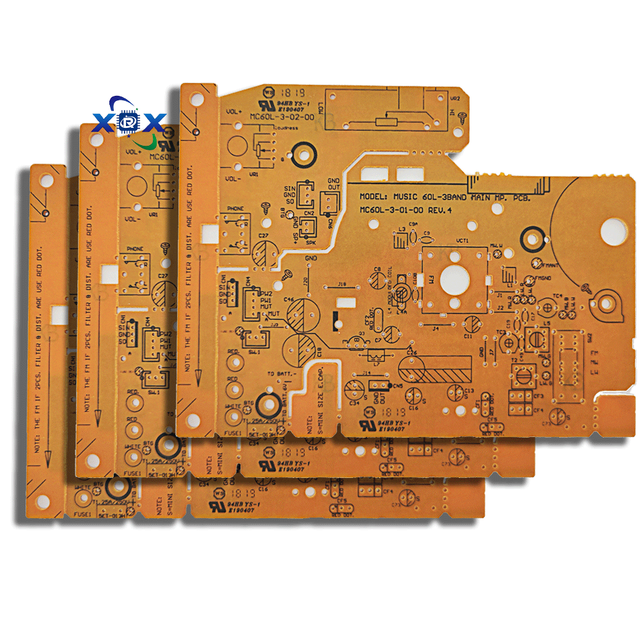
Flexible PCBs come in various forms, including single-sided, double-sided, and multi-layer designs. These options allow for different levels of complexity, depending on the application.
● Single-Sided Flexible PCB: Simple designs with components on one side, ideal for less complex applications.
● Double-Sided Flexible PCB: Components are placed on both sides, allowing for more complex circuitry.
● Multi-Layer Flexible PCB: Offers high-density designs with multiple layers, ideal for intricate electronics.
While flexible PCBs offer immense design freedom, there are still constraints to consider. For instance, maintaining signal integrity while ensuring flexibility requires careful layout planning. Flexibility in design must be balanced with functional needs, ensuring that the board can bend without causing short circuits or performance degradation.
Challenges to Address:
● Ensuring reliable electrical connections
● Optimizing layout to prevent stress points
● Avoiding signal loss or degradation
In flexible PCB design, ensuring signal integrity is crucial, especially for high-speed circuits. Proper layout, such as minimizing trace lengths and ensuring proper grounding, will reduce noise and signal interference.
Design Consideration | Solution |
Signal Integrity | Proper trace width and grounding |
Power Distribution | Use of wide power planes and proper decoupling |
Tip: To minimize interference, ensure your PCB layout has sufficient grounding and signal shielding.
Flexible PCBs must be designed to withstand mechanical stress, such as bending or vibration. Materials should be chosen for their flexibility and endurance, ensuring that the PCB maintains its functionality even under dynamic conditions.
Key Durability Factors:
● Material choice (polyimide or polyester)
● Layer bonding techniques
● Component selection (e.g., flexible connectors)
Manufacturing flexible PCBs involves several precise steps to ensure high-quality results. Here's an outline of the process:
1. Material Selection: Choose the base material (polyimide or polyester).
2. Layering: Stack layers of conductive material (usually copper) on the flexible base material.
3. Etching: Remove unwanted copper using chemical etching techniques.
4. Lamination: Bond the layers together under heat and pressure.
5. Component Mounting: Attach the electronic components using surface mount technology (SMT).
Flexible PCBs present specific manufacturing challenges compared to rigid PCBs. These include the need for precision during etching and layer alignment, as well as ensuring component durability when subjected to bending or movement.
Common Challenges:
● Alignment of layers
● Stress management in flexible materials
● Ensuring reliable soldering of components
Due to their unique characteristics, flexible PCBs must undergo stringent quality control and testing to ensure their performance. This includes flexibility testing, thermal cycling, and electrical testing to verify that the PCB can withstand real-world conditions.
Quality Control Steps:
● Flexibility testing
● Electrical conductivity tests
● Visual inspection for defects
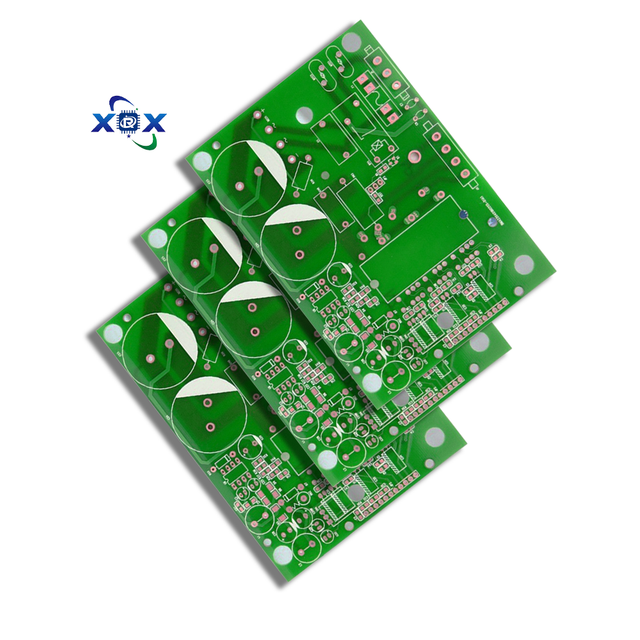
Flexible PCBs are ideal for consumer electronics due to their ability to fit into compact spaces. Devices like smartphones, wearables, and laptops often use flexible PCBs for improved functionality and miniaturization.
Examples:
● Smartwatches: Flexible PCBs allow for the compact design and integration of sensors.
● Flexible Displays: Used in foldable smartphones for enhanced user experience.
Flexible PCBs play a critical role in modern automotive electronics, especially in sensor systems and infotainment devices. Their ability to bend and fit into tight spaces makes them ideal for various automotive applications.
Common Uses:
● Sensors: Flexible PCBs are used in advanced sensor systems for monitoring vehicle conditions.
● Display Panels: Flexible PCBs are employed in flexible, integrated display solutions for dashboards.
In medical devices, flexible PCBs are used in applications where space and durability are critical. For example, in implantable devices, flexible PCBs can bend with the human body, offering both comfort and performance.
Examples:
● Hearing aids: Use flexible PCBs for small, high-performance circuits.
● Wearable health monitors: Flexible PCBs allow for compact, comfortable designs.
Flexible PCBs offer significant space-saving benefits, especially for miniaturized devices. Their lightweight nature allows for lighter products without compromising performance. This is crucial for wearable electronics, where both weight and space are at a premium.
Key Benefits:
● Smaller device size
● Reduced weight in products like wearables
● Ideal for space-constrained environments
Unlike rigid PCBs, flexible PCBs can withstand bending and dynamic stress without breaking or losing functionality. This makes them ideal for applications such as automotive systems and wearable electronics.
Durability Factors:
● Stress resistance: Flexible materials withstand frequent movement.
● Thermal stability: High-temperature applications benefit from flexible PCB's resilience.
While the initial cost of materials may be higher, the long-term cost savings from reduced product weight and the ability to consolidate components on a single board make flexible PCBs a cost-effective choice for manufacturers.
Factor | Flexible PCB | Rigid PCB |
Space Efficiency | High | Low |
Durability | High | Low |
Manufacturing Cost | Medium | Low |
As the demand for smaller devices grows, flexible PCBs are becoming more integrated, allowing manufacturers to combine multiple functions onto a single compact PCB. This trend is especially prevalent in wearables and IoT devices.
Future Trends:
● Integration of multiple functions (power, signal, sensor) onto one flexible board.
● Focus on micro-scale designs for ultra-compact devices.
Advances in materials and manufacturing techniques are pushing the boundaries of flexible PCB technology. For example, conductive inks and 3D printing are opening new possibilities for designing more flexible, durable, and cost-effective PCBs.
Innovations to Watch:
● 3D-printed flexible PCBs for customized designs.
● Use of nanomaterials for improved performance and durability.
Flexible PCBs are expected to play a crucial role in the development of flexible displays, foldable electronics, and wearable medical devices. As industries such as healthcare and automotive continue to evolve, the demand for high-quality flexible PCBs will grow.
Flexible PCBs offer excellent flexibility, durability, and space-saving advantages. Dongguan Xinrongxing Technology Co., Ltd. provides high-quality flexible PCBs that cater to various applications. Their products ensure optimal performance in consumer electronics, automotive, and medical industries, delivering value through advanced manufacturing processes and materials.
A: A flexible PCB is a type of circuit board made from flexible materials like polyimide, allowing it to bend and adapt to dynamic environments without compromising functionality.
A: Flexible PCBs are ideal for consumer electronics because they save space, reduce weight, and fit into compact designs, enabling the development of sleek, portable devices.
A: The manufacturing of flexible PCBs involves material selection, layer bonding, etching, and component mounting, with careful attention to quality control and flexibility.
A: Flexible PCBs offer better durability, space efficiency, and the ability to withstand dynamic stress, making them ideal for applications like wearables and automotive systems.
A: While flexible PCBs may have higher initial costs, their long-term benefits, such as space-saving designs and durability, often make them more cost-effective in the long run.


