
close
Choose Your Site
Global
Social Media
Views: 0 Author: Site Editor Publish Time: 2026-03-18 Origin: Site
Ever wonder why some electronics overheat fast? Metal Core PCBs solve this. In this article, we explore their uses, benefits, and ideal applications. You’ll learn how they improve heat dissipation and reliability.
Metal Core PCBs, or MCPCBs, are a type of printed circuit board designed for efficient thermal management. Unlike standard FR4 PCBs, they use a metal layer as the core, typically aluminum or copper, which acts as a heat sink to draw heat away from components. This improves reliability and allows high-power electronics to function without overheating. The structure generally includes a copper circuit layer, a thermally conductive dielectric, and the metal core, all stacked to maximize heat transfer while maintaining electrical insulation. They are widely used in applications like LED lighting, automotive modules, and power electronics, where heat dissipation is crucial.
Key features of MCPCBs include:
● Excellent thermal conductivity, reducing hot spots.
● Enhanced mechanical rigidity, preventing warping.
● Compatibility with surface-mount components, optimizing assembly.
● Flexibility to design for compact, high-power circuits, minimizing the need for external heat sinks.
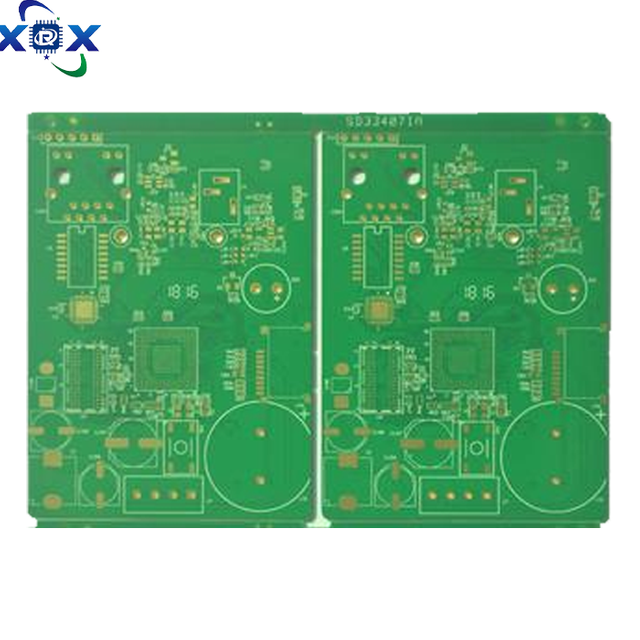
MCPCBs come in several types, each suited for different thermal and electrical requirements. Choosing the right type depends on component density, power rating, and application environment.
1. Single-Layer MCPCB – Simplest form, copper layer on one side of metal core. Perfect for basic LED boards and audio devices. Heat transfers efficiently but only one layer of circuitry exists, which is ideal for less complex designs.
2. Double-Layer MCPCB – Two copper layers allow higher component density. Common in automotive control modules or industrial equipment. The extra layer improves signal routing and supports more intricate circuits without sacrificing thermal management.
3. Double-Sided MCPCB – Components mounted on both sides of the metal core. This type combines efficient heat dissipation and high-density assembly, used in line reactors, power converters, and automotive dashboards.
4. Multi-Layer MCPCB – Complex boards with multiple copper layers separated by thermally conductive dielectrics. Suitable for high-performance applications like servers, medical devices, and fiber optic systems. Stack-up design is critical to maintain symmetry and prevent warpage.
5. COB (Chip-on-Board) MCPCB – Chips mounted directly on the metal core, eliminating traditional dielectric layers. Maximizes heat transfer, ideal for high-power LEDs, power supplies, and automotive electronics that generate concentrated heat.
MCPCB Type | Key Feature | Typical Applications |
Single-Layer | Simple, efficient heat transfer | LED backlights, audio devices |
Double-Layer | Higher density, improved routing | Automotive modules, industrial control |
Double-Sided | Components on both sides | Power converters, dashboards |
Multi-Layer | Complex circuits, high functionality | Servers, medical devices |
COB | Direct chip mounting, max heat transfer | High-power LEDs, power supplies |
Each type balances thermal performance, electrical integrity, and design flexibility. We can see why engineers pick MCPCBs when standard PCBs fail to meet thermal requirements or space constraints. They provide a compact, reliable solution while maintaining high-power efficiency.
Metal Core PCBs excel at managing heat in high-power applications. They transfer heat directly through the metal core, preventing component overheating that could cause failures or shorten lifespan. They are especially effective in LED lighting, automotive power modules, and industrial converters, where sustained heat can degrade performance. Engineers also value MCPCBs because the heat moves evenly, reducing hotspots and keeping devices stable during continuous operation.
Key points:
● Heat flows from components to metal core efficiently.
● Eliminates or reduces need for external heatsinks.
● Supports high-density designs without sacrificing thermal performance.
Application Type | Heat Challenge | MCPCB Solution |
LED Lighting | Hotspots from concentrated LEDs | Aluminum core spreads heat evenly |
Power Converters | Continuous high currents | Copper core dissipates heat quickly |
Automotive Electronics | Engine compartment heat | Maintains junction temperature control |
The metal core provides rigidity, helping boards resist bending, warping, or vibration. Thermal cycling often stresses standard PCBs, but MCPCBs maintain dimensional stability under repeated heating and cooling. This translates to improved electrical reliability, as components stay securely mounted and junction temperatures remain controlled. Designers find it easier to implement compact systems without worrying about PCB deformation affecting performance.
Important considerations:
● Coefficient of thermal expansion (CTE) matching between core and dielectric.
● Resistance to mechanical stress in harsh environments.
● Electrical insulation maintained even with high thermal conductivity cores.
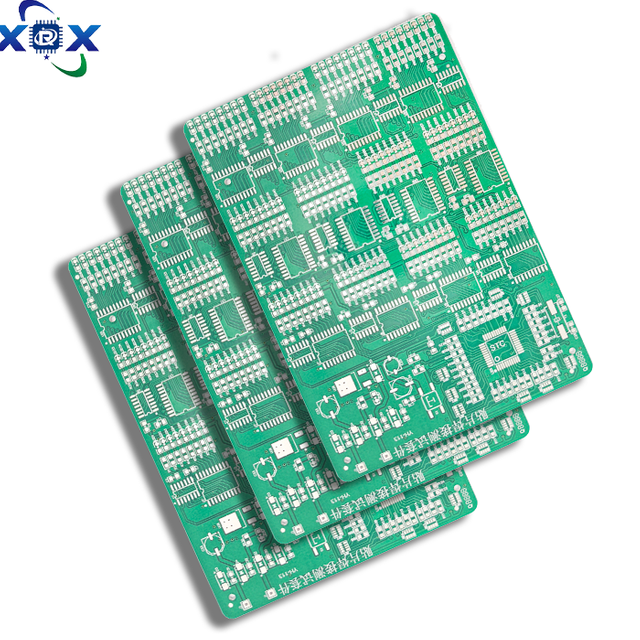
MCPCBs allow engineers to create smaller, lighter devices by reducing or eliminating bulky heatsinks. This means high-power designs can fit in tighter enclosures without overheating. It also brings cost advantages for large-scale manufacturing, since fewer materials and simpler assemblies are required. By integrating the heat spreader into the board itself, we gain space efficiency and thermal reliability simultaneously.
Benefits include:
● Compact high-power designs achievable.
● Lower assembly cost over long-term production.
● Fewer external cooling components, reducing weight and complexity.
When working on high-power LED projects, managing heat becomes critical. MCPCBs excel here because they transfer heat directly through the metal core, preventing hot spots and performance loss. They are commonly used for backlights, street lighting, and high-intensity LED modules, where efficiency and brightness rely on thermal control. Engineers often select aluminum-core MCPCBs to balance cost, weight, and heat dissipation.
Key considerations for LED MCPCBs include:
● Thermal conductivity of the metal core (aluminum or copper).
● Placement of LEDs to optimize heat paths.
● Solder mask and dielectric layer thickness affecting heat transfer.
LED Application | Core Material | Thermal Benefit |
Backlight Units | Aluminum | Efficient heat spread, longer lifespan |
High-Power Modules | Copper | Superior conductivity, reduces hotspots |
General Lighting | Aluminum or Copper | Balanced cost and performance |
Automotive electronics and industrial control modules face high vibration and harsh environments. MCPCBs provide mechanical rigidity and reliable thermal management, helping components maintain performance under stress. Motor drives, sensor modules, and power converters benefit because heat-sensitive parts stay within safe operating limits.
Points engineers consider:
● Dielectric material matching coefficient of thermal expansion (CTE) with metal core.
● Reduced need for bulky heat sinks inside compact enclosures.
● Long-term reliability in vehicles, factory automation, and industrial machinery.
In renewable energy, such as solar inverters or wind turbine electronics, compact devices generate substantial heat in limited spaces. MCPCBs are ideal because they efficiently move heat from high-power electronics to the metal substrate, supporting consistent operation even in extreme temperatures. They also allow designers to reduce board size, enhancing efficiency without sacrificing reliability.
Key uses include:
● Solar power inverters converting DC to AC.
● Photovoltaic panel electronics managing high current.
● Wind turbine control systems handling thermal stress during peak loads.
Some projects require high-density circuits where traditional air cooling fails. MCPCBs allow SMD components to be packed closely without thermal interference. Engineers rely on these boards when PCB real estate is limited, but heat must still dissipate efficiently.
Features to note:
● Metal core acts as integrated heat sink.
● Thermal vias direct heat from surface-mounted components to metal substrate.
● Enables smaller, lighter electronic assemblies without overheating.
Selecting the right metal core is crucial for MCPCBs. Aluminum is lightweight, cost-effective, and provides good thermal conductivity, making it ideal for most LED lighting and consumer electronics. Copper cores, however, offer higher thermal transfer, perfect for high-power industrial or automotive applications, though they add weight and cost. Engineers often weigh application requirements, thermal load, and budget before deciding. Choosing the proper metal ensures efficient heat dissipation and mechanical stability.
Metal Core | Thermal Conductivity | Weight | Cost | Typical Use |
Aluminum | Moderate (5-237 W/m·K) | Light | Low | LED modules, audio, consumer electronics |
Copper | High (386-398 W/m·K) | Heavy | High | High-power converters, automotive, industrial |
The dielectric layer sits between the copper circuitry and metal core, providing electrical insulation while allowing heat flow. Its thickness and thermal conductivity directly influence heat transfer. Copper foil thickness also matters: heavier copper carries higher current but may slightly slow heat spread. Designers must consider solder mask properties and layer stack-up to optimize performance. Proper selection keeps components safe and the board stable under thermal cycling.
Key points:
● Dielectric material must balance insulation and thermal transfer.
● Copper weight affects current capacity and heat distribution.
● Solder mask prevents shorts but influences thermal performance.
Advanced manufacturing ensures MCPCBs meet high-performance standards. Techniques like Laser Direct Structuring (LDS) allow precise circuit patterns, while automated optical inspection (AOI) and X-ray inspection (AXI) catch defects early. Lamination under vacuum or high pressure reduces air pockets, ensuring solid bonding between layers. These methods enhance mechanical strength, electrical reliability, and thermal efficiency. Quality control throughout prevents warping and maintains consistent production.
Highlights include:
● Laser-etched patterns for accuracy.
● Automated inspections for defect detection.
● High-pressure lamination improves adhesion.
Designing MCPCBs requires attention to component placement, thermal paths, and symmetry. Components generating high heat should be near the metal core for efficient heat transfer, and thermal vias help conduct heat from surface-mounted devices. Stack-up must remain symmetrical to avoid warpage, and interface materials like thermal pads fill micro-gaps. These strategies ensure compact, reliable boards suitable for LEDs, power electronics, and industrial controls.
Best practices:
● Place high-power components strategically.
● Use thermal vias and interface materials.
● Maintain symmetrical layer stack-up for stability.
Xinrongxing’s Metal Core PCBs provide efficient heat dissipation, mechanical stability, and compact design for high-power applications, enhancing performance and reliability across LEDs, automotive, and industrial electronics.
A: Metal Core PCBs are boards with a metal layer for efficient heat transfer and stable operation in high-power devices.
A: Use them in LED lighting, automotive modules, and compact circuits where thermal management is critical.
A: Aluminum for cost-effective designs or copper for maximum heat transfer and high-power applications.
A: They prevent hotspots, maintain junction temperature, and provide rigidity against thermal stress.
A: Yes, integrated metal cores allow smaller, lighter designs with less need for external heatsinks.


