
close
Choose Your Site
Global
Social Media
Views: 0 Author: Site Editor Publish Time: 2026-03-18 Origin: Site
Ever wonder how high-power electronics stay cool? Metal Core PCBs provide fast heat transfer and durability. In this article, you'll learn how they enhance efficiency and reliability across applications.
A Metal Core PCB (MCPCB) is a printed circuit board that replaces the traditional FR4 base with a metal layer, usually aluminum or copper. This metal core acts as a heat spreader, efficiently transferring heat away from high-power components.
Above the metal core sits a dielectric layer, which electrically insulates the copper circuit while still allowing thermal conduction. The copper layer forms the circuitry for components. They are also called insulated metal substrates (IMS) or metal-clad PCBs. MCPCBs are ideal for LED lighting, automotive electronics, and industrial power devices, where conventional FR4 boards struggle with heat management.:
Key distinctions from FR4 PCBs include:
● Thermal Performance: MCPCBs transfer heat 8–9x faster than FR4.
● Mechanical Strength: The metal core adds rigidity, reducing warping and bending.
● Application Suitability: They excel in heat-intensive electronics like LED modules and motor controllers.
Common Metal Core PCB Layers:
● Solder mask
● Copper circuitry layer (1–6 oz.)
● Thermally conductive dielectric layer
● Metal core layer (aluminum or copper)
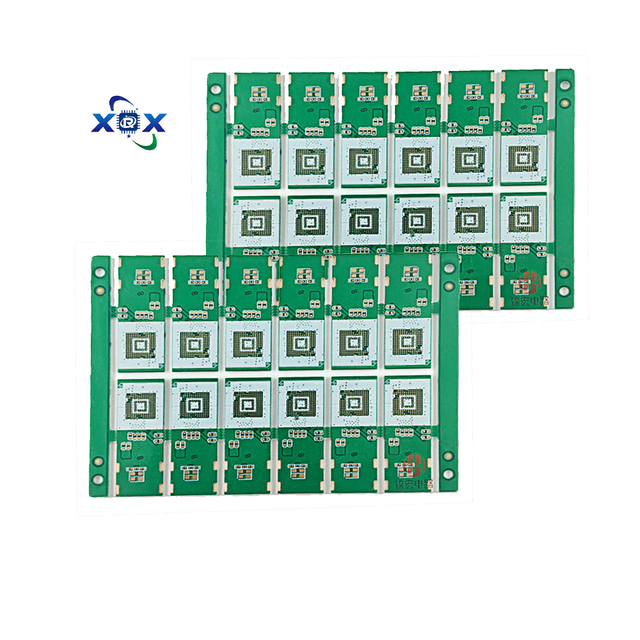
MCPCBs operate through conductive cooling, moving heat from hot components to the metal base. Unlike air cooling, which relies on airflow, the metal core directly spreads heat, preventing hotspots and ensuring components remain within safe operating temperatures. In LED applications, for instance, the heat from diodes flows through the copper and dielectric into the aluminum, extending LED lifespan and maintaining efficiency.
Key points for heat transfer:
● Dielectric Layer Thickness: Thinner layers improve heat conduction.
● Copper Trace Design: Balances current flow and heat distribution.
● Metal Choice: Copper cores conduct heat better but are heavier and costlier; aluminum is lighter and widely used.
MCPCBs commonly use aluminum or copper cores. Each type has specific benefits:
Core Type | Thermal Conductivity (W/mK) | Weight | Typical Applications |
Aluminum 5052 H32 | 138 | Light | LED lighting, consumer electronics, audio devices |
Aluminum 6061 T6 | 167 | Medium | CNC-machined industrial boards, high-power LEDs |
Copper C110 | 386 | Heavy | Automotive motor control, industrial power systems |
● Aluminum Core: Lightweight, cost-effective, widely used for general electronics.
● Copper Core: Superior thermal performance, ideal for high-power or industrial applications, but heavier and expensive.
● Special Alloys: Occasionally used for niche applications; difficult to machine and higher cost.
Metal Core PCBs excel at moving heat away from components, which keeps devices cooler and improves performance. They transfer heat 8–9 times faster than standard FR4 boards because the metal core acts as a built-in heat sink.
The thin dielectric layer between the copper circuitry and the metal allows heat to flow quickly while maintaining electrical insulation. This setup is crucial for high-power devices like LEDs or power converters, where excessive heat can reduce lifespan or cause malfunctions.
Key Points:
● Heat spreads efficiently through the metal core.
● Thin dielectric layers reduce thermal resistance.
● Devices operate more reliably under sustained loads.
Typical Thermal Parameters for MCPCBs:
Parameter | Specification |
Copper Thickness | 1–6 oz |
Dielectric Thickness | 0.003–0.006 in |
Dielectric Thermal Conductivity | 1–3 W/mK |
Aluminum Core Thickness | 1–3.2 mm |
The metal base adds rigidity and stability, which makes MCPCBs more resistant to bending, warping, and vibration compared to FR4 boards. This is particularly important in automotive, aerospace, and industrial electronics where environmental stress can damage weaker boards. They maintain flatness over long periods, which ensures solder joints stay secure and reduces failure risk in high-vibration situations.
● Metal cores reinforce the structure of the PCB.
● Boards resist mechanical shocks and stress.
● Reliable operation under harsh conditions reduces maintenance.
MCPCBs offer great design versatility, letting designers mount components directly onto the copper layer or use press-fit connectors. The metal core’s coefficient of thermal expansion (CTE) closely matches that of semiconductors, especially LEDs and power devices. This minimizes stress caused by expansion and contraction during heating and cooling cycles, improving component longevity. Engineers can also choose aluminum for cost-effectiveness or copper for maximum thermal performance, depending on application needs.
Design Considerations:
● Component mounting: SMT or press-fit options.
● Layer stack-up must remain symmetrical to prevent warpage.
● Application-specific design: LEDs, power electronics, industrial drives.
Metal Core PCBs are widely used in LED lighting, where heat management is critical. Backlight units, streetlights, and general illumination all benefit from the efficient thermal pathways provided by MCPCBs.
By transferring heat quickly away from diodes, these boards prevent overheating, which enhances LED lifespan and light output efficiency. They also allow designers to reduce the number of LEDs needed, lowering overall energy consumption while maintaining brightness.
Advantages for LED Boards:
● Reduces thermal hotspots for longer-lasting LEDs.
● Improves efficiency by maintaining optimal operating temperature.
● Supports compact board designs for thin, space-limited applications.
Common LED MCPCB Stack-up Parameters:
Parameter | Typical Range |
Copper Thickness | 1–2 oz |
Dielectric Thickness | 2–6 mils |
Aluminum Core Thickness | 1–3 mm |
Thermal Conductivity | 1–3 W/mK |
This table illustrates how Xinrongxing optimizes aluminum MCPCBs for high-power LED modules, ensuring heat spreads evenly across the board.
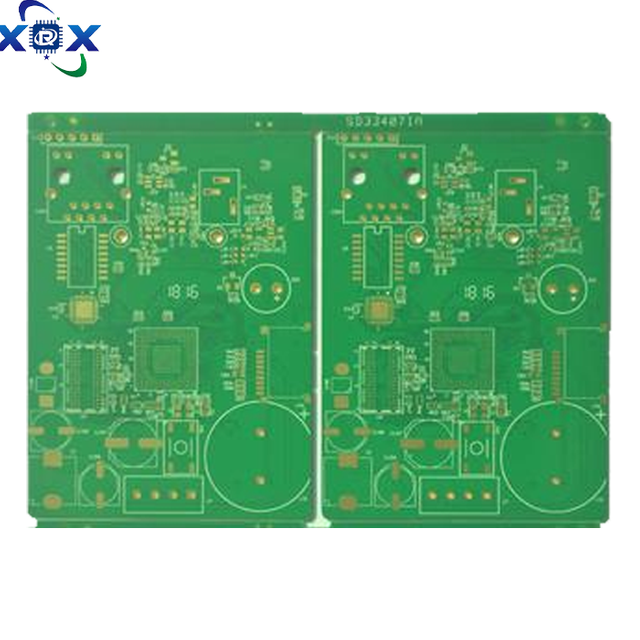
In automotive and industrial applications, MCPCBs manage high-power motor controllers, hybrid and electric vehicle electronics, and DC-DC converters or solid-state relays. Excessive heat in these systems can reduce efficiency or damage components. MCPCBs solve this by conducting heat away rapidly, while the rigid metal core prevents warping under thermal stress. This is especially important in vehicles, where boards face vibrations and temperature fluctuations.
● Maintains structural integrity in high-vibration environments.
● Reduces risk of failure in high-current components.
● Ensures stable performance in temperature-variable industrial conditions.
MCPCBs play a crucial role in solar panels, photovoltaic cells, and industrial motion control systems. In solar energy applications, they help dissipate heat generated from high-power modules, improving efficiency and longevity. Motion control systems, often subject to continuous operation, rely on MCPCBs to maintain precise performance without overheating.
Key Benefits in Renewable & Industrial Systems:
● Conducts heat efficiently in continuous-use environments.
● Supports high-power industrial drives without thermal shutdown.
● Enables compact board layouts while maintaining performance.
Metal Core PCBs are expanding into telecommunications, high-frequency electronics, and compact, heat-sensitive consumer devices. Applications include miniaturized computing boards, IoT devices, and wireless modules, where space is limited and heat dissipation remains critical. MCPCBs allow these compact systems to operate safely and reliably.
● Ideal for small, heat-sensitive electronics.
● Reduces cooling requirements compared to traditional FR4 boards.
● Enhances reliability in telecom and high-frequency circuits.
Example Emerging Applications Table:
Application | Benefit of MCPCB |
Telecom Modules | Stable operation under continuous load |
IoT Devices | Maintains thermal performance in compact form |
High-Frequency Boards | Prevents signal distortion from heat stress |
MCPCB stack-up is critical for thermal management and mechanical stability. Single-layer boards are simple, with one copper circuit above the dielectric and metal core, suitable for basic LED modules. Double-layer designs allow more complex routing while maintaining heat transfer efficiency.
Multilayer MCPCBs distribute layers symmetrically on either side of the metal core, preventing warpage and ensuring flatness for mounting heavy components. Symmetry also reduces stress during thermal cycling, which is important for automotive and industrial electronics.
Stack-Up Highlights:
● Symmetry on top and bottom layers reduces warping.
● Multilayer designs improve circuit density without sacrificing heat dissipation.
● Proper layer arrangement ensures uniform thermal flow through the metal base.
The copper foil weight and dielectric thickness directly impact performance. Thicker copper traces can carry higher currents but may slightly impede heat transfer. Dielectric layers separate copper circuits from the metal core while conducting heat effectively. Typical MCPCB designs feature 1–10 oz copper and dielectric layers ranging from 2–6 mils, balancing thermal conductivity and electrical insulation.
Typical MCPCB Parameters Table:
Parameter | Range |
Copper Weight | 1–10 oz |
Dielectric Thickness | 2–6 mils |
Dielectric Thermal Conductivity | 1–3 W/mK |
Aluminum Core Thickness | 1–3 mm |
Xinrongxing customizes these parameters for LED, automotive, and industrial PCBs, ensuring optimal heat transfer and structural reliability.
MCPCB design requires careful consideration of component placement and through-hole usage. Plated through-holes (PTHs) should be minimized because they can create short circuits against the metal core. SMT components are preferred, allowing better thermal contact with the metal base. Choosing aluminum or copper cores depends on application: aluminum is lighter and cost-effective, copper provides maximum heat dissipation for high-power devices.
● Minimize PTHs to prevent electrical shorts.
● Prefer SMT for thermal efficiency and reduced assembly complexity.
● Match core material to application power requirements and cost constraints.
High-quality MCPCBs adhere to international ISO and RoHS standards, ensuring reliability and environmental compliance. Thermal performance testing evaluates heat transfer and identifies potential hotspots. Reliability metrics include thermal cycling, solder joint integrity, and vibration resistance.
By following these practices, manufacturers like Xinrongxing deliver boards that meet global performance expectations for LED, automotive, and industrial systems.
Compliance and Testing Checklist:
● ISO9001:2015 certification for quality management.
● RoHS 2.0 compliance for environmental safety.
● Thermal testing for high-power applications.
● Vibration and mechanical stress testing for industrial use.
Metal Core PCBs provide efficient heat dissipation, mechanical strength, and flexible designs. Xinrongxing’s aluminum and copper boards deliver reliable performance for LED, automotive, and industrial applications, offering durable, high-quality solutions that optimize thermal management and enhance device lifespan.
A: Metal Core PCBs are boards with a metal base that conducts heat away from components, improving performance and reliability.
A: They prevent overheating, extend LED lifespan, and enhance efficiency in high-power lighting systems.
A: Commonly aluminum for lightweight, cost-effective solutions, and copper for higher thermal performance.
A: The metal core adds rigidity, reducing warping, bending, and vibration in automotive and industrial electronics.
A: Xinrongxing provides custom aluminum and copper boards with optimized stack-ups, dielectric thickness, and thermal management for various industries.


