
close
Choose Your Site
Global
Social Media
Views: 0 Author: Site Editor Publish Time: 2026-03-18 Origin: Site
Ever wondered how electronics move from idea to reality? PCB Manufacturing Services make it possible. In this article, you will learn how prototypes become mass-produced boards efficiently. We’ll explore design, fabrication, assembly, and testing insights.
PCB manufacturing services cover the full process of turning a circuit design into a working board. They include PCB fabrication, where the bare board is produced, and PCB assembly (PCBA), which adds components and performs testing. These services make sure your designs are manufacturable, functional, and scalable.
They are essential for bringing electronics from concept to reality. Engineers rely on them to validate prototypes, refine layouts, and confirm performance before mass production. At Xinrongxing, the team provides support from initial design consultation to fully assembled boards, ensuring each stage flows smoothly.
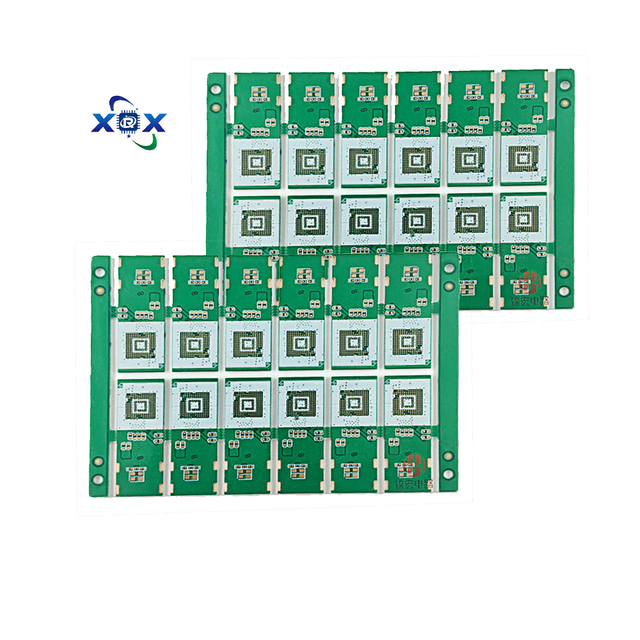
PCBs are the backbone of modern devices. They provide structural support for components and route electrical signals accurately across circuits. From smartphones to industrial machinery, PCBs are critical to reliable operation.
Professional PCB manufacturing services bring multiple advantages: improved performance, minimized errors, and faster development cycles. They allow designers to miniaturize circuits, integrate complex systems, and maintain signal integrity. Rapid prototyping catches design flaws early, reducing costly revisions later.
Other key benefits include:
● Consistent quality from prototype to large-scale production.
● Customizable solutions for thermal, voltage, or mechanical requirements.
● Scalable production to transition seamlessly from low-volume prototypes to thousands of boards.
Key Advantages of PCB Manufacturing Services | Description |
Performance Reliability | Ensures circuits work correctly under stress, heat, or vibration |
Miniaturization | Supports compact, lightweight designs with high component density |
Rapid Iteration | Prototype testing identifies issues early, saving time and cost |
Scalability | Smooth transition from prototypes to full-scale production |
Single-sided PCBs feature copper traces on only one side. They are cost-effective, simple to manufacture, and ideal for low-complexity electronics such as LED panels, household gadgets, and toys.
Double-sided PCBs have conductive layers on both sides connected through plated vias, allowing denser component placement and more complex routing. They are commonly used in industrial controls, automotive modules, and mid-level consumer electronics.
Key Advantages:
● Single-sided PCB: Affordable, easy to produce, suitable for simple electronics.
● Double-sided PCB: Supports more complex circuits, enables higher component density, and offers improved performance.
● Applications: From basic consumer devices to industrial monitoring systems.
PCB Type | Layers | Common Applications | Benefits |
Single-Sided PCB | 1 | LED lights, toys, simple devices | Low cost, quick prototyping |
Double-Sided PCB | 2 | Industrial controls, consumer electronics | Complex routing, more connections |
Multilayer PCBs consist of three or more laminated conductive layers. They are critical for high-speed, high-density applications such as telecom equipment, medical devices, and advanced industrial electronics. Designers benefit from multilayer boards by achieving compact layouts while maintaining signal integrity and thermal efficiency.
Key Points:
● Stack-up design: Ensures proper signal routing and controlled impedance.
● Applications: High-speed computing, networking hardware, advanced industrial controls.
● Benefits: Supports miniaturization, reduces electromagnetic interference, and improves performance.
Flexible PCBs can bend and twist, allowing integration into confined or dynamic spaces. Rigid-flex PCBs combine rigid sections with flexible segments, providing mechanical support while allowing complex layouts. These types are used in wearables, aerospace devices, robotics, and other applications where space optimization and movement are essential.
Advantages of Flex and Rigid-Flex PCBs:
● Reduces assembly complexity and space requirements.
● Enhances mechanical reliability in moving or tight-fit applications.
● Supports innovative product designs in advanced electronics.
High-Density Interconnect (HDI) PCBs feature microvias, blind, and buried vias for higher component density. High-frequency PCBs use specialized materials like PTFE or Rogers laminates to minimize signal loss and maintain performance at GHz frequencies.
Why They Matter:
● HDI: Ideal for compact devices like smartphones, IoT gadgets, and tablets.
● High-frequency: Perfect for RF, microwave, 5G, and satellite communications.
● Benefits: Enables miniaturization, high-speed data transfer, and signal integrity.
PCB prototyping is the first step in turning your design into a physical product. Quick-turn prototypes allow engineers to test their designs with minimal investment and a low minimum order quantity (MOQ). They provide a rapid turnaround, helping identify errors early and verify functionality.
Key steps in prototyping include:
● Design validation: Reviewing schematics and Gerber files to confirm manufacturability.
● Material selection: Choosing appropriate substrates such as FR4, polyimide, or aluminum for thermal and mechanical needs.
● Layer stack-up and initial fabrication: Determining layer count and copper thickness, then producing the first board.
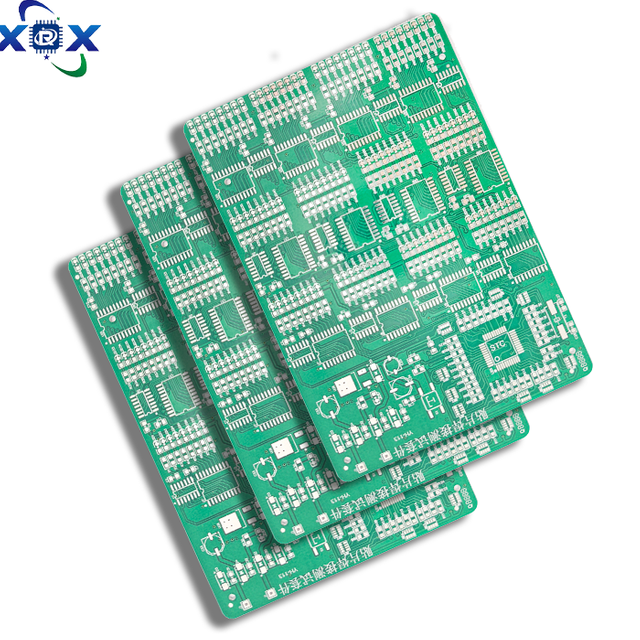
Small-volume PCB runs bridge the gap between prototype testing and full-scale manufacturing. They allow companies to validate products in real-world conditions while controlling costs and maintaining high quality.
Advantages of small-volume production include:
● Testing and validation: Ensures the design performs as expected before mass production.
● Cost management: Avoids overproduction and reduces waste.
● Customization: Supports minor adjustments based on test results or market feedback.
Transitioning to high-volume PCB manufacturing requires careful process control. Not all design choices from prototypes translate directly to mass production. Engineers must consider thermal performance, signal integrity, and component placement at scale.
Critical practices for scaling include:
● Design manufacturability checks: Ensuring layouts are production-ready.
● Quality inspections: Automated optical inspection (AOI) and flying probe testing for every batch.
● Yield management: Monitoring production to minimize defects and maintain consistency.
Once PCBs are fabricated, assembly is essential for a functional product. Surface-mount technology (SMT) and through-hole techniques are used depending on component types and board complexity.
Functional testing ensures the final product performs correctly. Key considerations include:
● Electrical testing: Verifies continuity, shorts, and circuit functionality.
● Inspection and compliance: Adhering to IPC standards, ISO9001, and RoHS regulations.
● Defect prevention: Identifying and correcting assembly issues before shipment.
Assembly & Testing Comparison Table:
Stage | Purpose | Benefits |
SMT Assembly | Mounting small components on PCB | High density, automated placement |
Through-Hole Assembly | Installing larger or mechanical parts | Stronger mechanical connections |
Functional Testing | Verify electrical and mechanical integrity | Reduces defects, ensures reliability |
Selecting a PCB manufacturer starts with evaluating their technical expertise. It’s important to consider equipment, process control, and experience with multilayer and HDI boards. Advanced capabilities like rigid-flex and high-frequency PCBs are essential for cutting-edge electronics, wearables, or high-speed digital devices.
Key technical points to check:
● Production equipment: Modern CNC drills, automated assembly lines, and AOI inspection systems.
● Fabrication expertise: Ability to handle complex stack-ups, microvias, and impedance-controlled layouts.
● Advanced design support: Rigid-flex boards for mechanical integration, high-frequency boards for RF applications.
Quality assurance is crucial for PCB reliability and long-term performance. Look for manufacturers with ISO certifications, environmental compliance like RoHS, and documented quality processes. These standards reduce defects, improve yields, and ensure safe operation in industrial and consumer electronics.
Key elements of compliance and quality:
● ISO9001:2015: Ensures consistent manufacturing processes.
● Environmental standards: RoHS and other regulatory compliance.
● Inspection procedures: AOI, flying probe, electrical testing to catch defects early.
Quality Aspect | Importance |
ISO Certification | Standardizes production processes |
RoHS Compliance | Ensures environmentally safe products |
In-line Testing | Detects faults before final shipment |
Process Documentation | Tracks manufacturing steps for traceability |
A strong manufacturer offers technical assistance throughout the project lifecycle. They help from design review to fabrication, assembly, and troubleshooting. Communication is key, especially when adjusting designs or addressing production challenges.
Customer support highlights include:
● Design consultations: Guidance on material selection, stack-up optimization, and manufacturability.
● Ongoing troubleshooting: Engineers assist with yield improvement or assembly issues.
● Post-sales support: Ensures products meet specifications even after delivery.
PCB manufacturers should provide flexible logistics and reliable delivery options. This ensures timely delivery for prototypes, small-batch runs, and mass production orders. Export capabilities are critical for clients working internationally.
Considerations for global reach:
● Lead times: Quick-turn options for prototypes or urgent orders.
● Shipment flexibility: Support for multiple transport modes and customs clearance.
● Production adaptability: Seamless switch between small and large volume orders.
Xinrongxing delivers comprehensive PCB Manufacturing Services from prototype to mass production. Their PCBs, including single-sided, multilayer, and flexible designs, ensure high performance, reliability, and rapid turnaround, supporting both small-scale testing and large-volume production
A: PCB Manufacturing Services provide design, fabrication, and assembly of circuit boards for reliable electronics production.
A: Prototyping allows testing designs, selecting materials, and validating layouts before full-scale production.
A: They support high-density, high-speed applications, ensuring compact layouts and signal integrity.
A: ISO certification, RoHS compliance, and rigorous inspections ensure safe, reliable boards.
A: They offer technical assistance, flexible small-volume runs, and on-time delivery for international clients.


