
close
Choose Your Site
Global
Social Media
Views: 0 Author: Site Editor Publish Time: 2026-03-18 Origin: Site
Ever wonder why some electronics last longer under stress? Metal Core PCBs solve heat and durability challenges. In this article, you'll learn how they enhance LED, automotive, and power electronics performance efficiently.
Metal Core PCBs (MCPCBs) are specialized circuit boards designed to handle high heat while maintaining performance. They include a metal base, typically aluminum or copper, beneath the dielectric layer and copper traces. This metal layer acts as a natural heat sink, drawing heat away from critical components and spreading it across the board. They differ from standard FR-4 PCBs because they combine thermal management and mechanical strength in one design. Engineers choose MCPCBs for high-power LEDs, automotive modules, and industrial power electronics because they keep devices stable under heat and mechanical stress.
Material | Thermal Conductivity | Weight | Cost | Best Applications |
Aluminum | ~200 W/mK | Light | Affordable | General LED, automotive modules |
Copper | ~400 W/mK | Heavier | Higher | High-power LEDs, industrial electronics |
MCPCBs transfer heat from electronic components through the dielectric layer into the metal core. This keeps junction temperatures lower, improving device lifespan and performance. Thermal vias—small conductive channels—help move heat from copper traces directly to the metal base. This prevents hotspots and allows components to be placed closer together, supporting compact designs and higher density boards.
The metal base also provides mechanical reinforcement. Boards resist warping, bending, and physical stress, which is critical for automotive and industrial electronics exposed to vibration or extreme temperatures. MCPCBs enable reliable operation over a wider range of environmental conditions compared to standard FR-4 boards.
● Heat spreads evenly across the metal core, preventing overheating.
● Thermal vias accelerate heat transfer from copper circuitry to the core.
● Structural support ensures stability for heavy or high-density components.
● Efficient thermal management allows smaller, lightweight boards without external cooling.
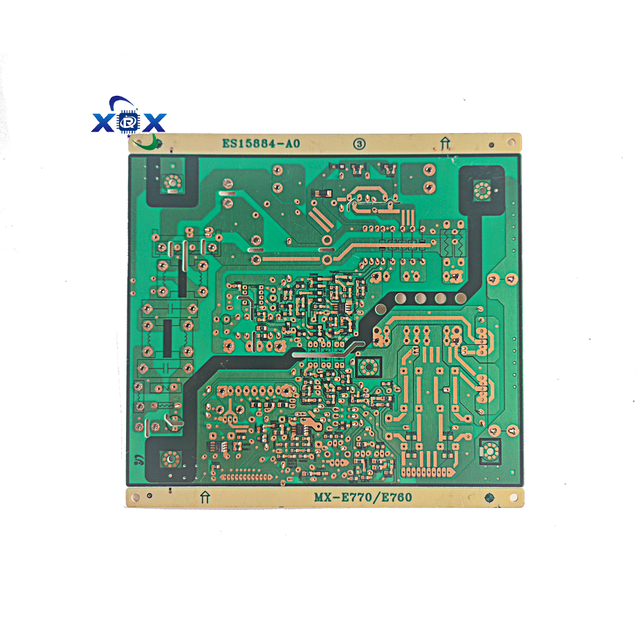
Metal Core PCBs excel at transferring heat away from LED modules, keeping components cooler and operating efficiently. High-brightness LEDs generate considerable heat during use, which can reduce lifespan if not managed properly.
By integrating a metal core, either aluminum or copper, the PCB acts as a natural heat sink, spreading heat across the board. This prevents hotspots, reduces thermal stress, and ensures stable luminous output over time.
Feature | Benefit | Impact |
Metal core | Heat dissipation | Lower junction temperatures |
Thermal vias | Direct heat channels | Prevent hotspots |
Copper traces | Conductivity | Efficient power delivery |
Using Metal Core PCBs allows designers to reduce reliance on external heat sinks, which enables smaller, lighter LED fixtures. The metal base manages thermal load internally, allowing components to be placed closer together without overheating.
This is critical for residential bulbs, industrial luminaires, and automotive LED applications, where space is limited and efficiency matters. By designing compact boards, energy consumption decreases, and fixtures become easier to integrate in various environments.
Benefits include:
● Smaller PCB footprint for tight installations.
● Reduced overall fixture weight improves handling and shipping.
● Enables higher LED density for brighter, uniform light output.
● Lower material usage contributes to cost savings and sustainability.
Metal Core PCBs also enhance durability, crucial for outdoor and industrial environments. The metal layer strengthens the board against vibration, mechanical shocks, and thermal cycling. LEDs mounted on these boards maintain reliable performance despite harsh conditions such as extreme temperatures, humidity, or impact. This makes MCPCBs an ideal choice for street lighting, stadiums, warehouses, and automotive exterior lighting where robustness is required.
Metal Core PCBs are essential in managing heat in automotive modules such as headlights, infotainment systems, and control units. High-power LEDs and processors generate substantial heat, which can reduce component lifespan if left unmanaged. The metal base in MCPCBs acts as a heat spreader, drawing heat away from critical components and distributing it evenly across the board.
This even heat distribution prevents hotspots, keeps junction temperatures low, and allows components to operate efficiently over extended periods. Designers can place parts closer together without risking overheating, enabling compact, high-density automotive designs. The internal thermal management also reduces reliance on bulky external heat sinks, which helps lower overall weight and improves integration into vehicle assemblies.
Automotive electronics are exposed to vibration, shocks, and temperature fluctuations. Metal Core PCBs provide a strong foundation that resists bending and warping, keeping circuits intact even under mechanical stress. They help maintain alignment and functionality of components during harsh driving conditions.
The metal layer enhances mechanical resilience, which is particularly valuable for modules installed in engine bays, undercarriages, or exterior lighting. It also protects sensitive circuits during thermal cycling, ensuring long-term reliability for critical automotive systems such as sensors, control units, and LED modules.
High-power automotive components, including inverters, LED headlights, and sensors, generate both thermal and electrical load. MCPCBs handle these effectively. The metal core conducts heat efficiently while supporting high-current circuits, maintaining stable operating temperatures.
This reduces thermal stress on components, enhancing system energy efficiency and prolonging lifespan. Engineers can design compact, high-performance modules without compromising safety or reliability, even under continuous operation or high-load conditions.
Component | Function | Metal Core PCB Advantage |
LED Headlights | High-brightness illumination | Even heat distribution, extended lifespan |
Inverters | Power conversion | Stable temperature, supports high current |
Sensors & Control Units | Vehicle monitoring | Resistant to vibration and thermal stress |
Infotainment Modules | Multimedia and navigation | Maintains processor stability under load |
Metal Core PCBs are ideal for managing heat in high-current power electronics, including inverters, DC-DC converters, and power supply boards. These components generate a lot of heat during operation, and without effective thermal management, they risk overheating and performance degradation. The metal base of MCPCBs draws heat away from sensitive circuits and spreads it evenly across the board, maintaining stable operating temperatures even under heavy loads.
Using thermal vias and high-conductivity metal cores allows engineers to prevent hotspots, reduce component stress, and design more compact, efficient boards. This is particularly important for industrial power devices or high-power consumer electronics, where reliability and efficiency are non-negotiable. MCPCBs help maintain performance over long operating cycles while reducing energy loss caused by heat accumulation.
Key points include:
● Uniform heat distribution for all high-current components.
● Lower junction temperature improves efficiency and safety.
● Supports dense component placement without extra cooling hardware.
● Essential for inverters, converters, and high-power power supplies.
Thermal management in Metal Core PCBs directly impacts efficiency and reliability. Components operate at optimal temperatures, reducing thermal throttling and preventing premature failure. By lowering operating temperatures, MCPCBs allow high-power devices to maintain full output while consuming less energy.
This also extends the lifespan of sensitive components such as MOSFETs, capacitors, and high-current diodes. Efficient heat removal prevents insulation degradation and solder joint failures, critical for both industrial and automotive power electronics. Designers can create compact, high-performance power modules while ensuring longevity and stable operation.
Component Type | Typical Use | MCPCB Advantage |
Inverters | Industrial and renewable power systems | Efficient heat dissipation, maintains stable output |
DC-DC Converters | Power regulation in devices | Reduces thermal stress, improves efficiency |
Power Supplies | High-current electronics | Extends component life, prevents overheating |
Motor Drivers | Automotive and industrial motors | Stable operation under heavy load |
Selecting the proper Metal Core PCB requires attention to several critical aspects.
● Power requirements
Power requirements are a top priority—high-power LEDs or automotive modules generate more heat, demanding a metal core with high thermal conductivity. Material choice matters: aluminum is lighter and cost-effective, copper offers higher thermal performance but adds weight and cost.
● Environmental conditions
Environmental conditions also play a role; boards exposed to vibration, moisture, or extreme temperatures need robust cores and reliable insulation.
● Size and weight considerations
A thicker metal layer improves heat dissipation but adds bulk, affecting compact enclosures. Designers must balance thermal performance, mechanical stability, and overall board dimensions to match device constraints.
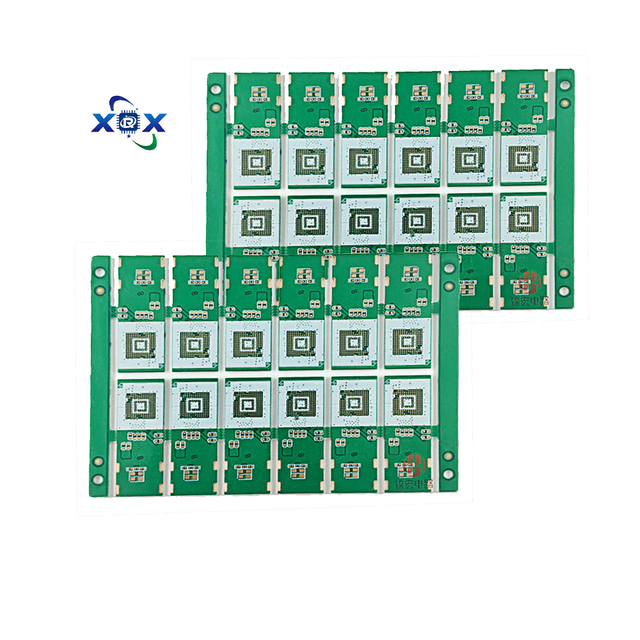
While Metal Core PCBs offer excellent thermal management, they come with challenges. Cost is higher than standard FR-4 boards due to materials and processing requirements. Design complexity increases because thermal vias, copper thickness, and dielectric layers must be carefully planned. Weight considerations, especially with copper cores, can complicate installation in compact devices.
Solutions include selecting aluminum cores for general applications to reduce weight and cost. Efficient layout of thermal vias and proper dielectric thickness helps balance heat dissipation with electrical insulation. Collaborating with experienced PCB manufacturers ensures design pitfalls are avoided, and performance goals are met.
Challenge | Impact | Solution |
Higher material cost | Increased project budget | Choose aluminum cores for cost-sensitive applications |
Complex thermal design | Potential hotspots | Optimize thermal vias and copper thickness |
Added weight | Difficult installation | Use lighter materials, careful board layout |
Design errors | Reduced performance | Work with experienced PCB manufacturer |
Partnering with a reputable manufacturer like Xinrongxing improves outcomes. They provide ISO and RoHS-certified boards, technical support, and guidance on material selection and layout. Manufacturer expertise affects performance, reliability, and compliance, ensuring boards meet project requirements. High-quality MCPCBs from experienced suppliers reduce risk, enhance lifespan of components, and allow designers to focus on innovation rather than troubleshooting thermal or mechanical issues.
Key advantages of working with a trusted manufacturer:
● Access to technical guidance for optimal design
● Assurance of quality certifications and compliance
● Consistent production with tight tolerances
● Long-term support for troubleshooting and upgrades
Xinrongxing's Metal Core PCBs offer superior heat management, durability, and compact design for LED, automotive, and power electronics, ensuring efficient performance and long-term reliability in demanding applications.
A: Metal Core PCBs are boards with a metal base that dissipates heat efficiently for LEDs, automotive modules, and power electronics.
A: They reduce overheating, improve LED lifespan, and allow compact, energy-efficient designs.
A: They manage heat, resist vibration, and support high-power components, ensuring stable operation.
A: Yes, they maintain stable temperatures, improve efficiency, and extend component life in high-current applications.
A: Consider power needs, material type, environmental conditions, and work with experienced manufacturers like Xinrongxing for optimal results.


